A hands-on business: mobile surface restoration
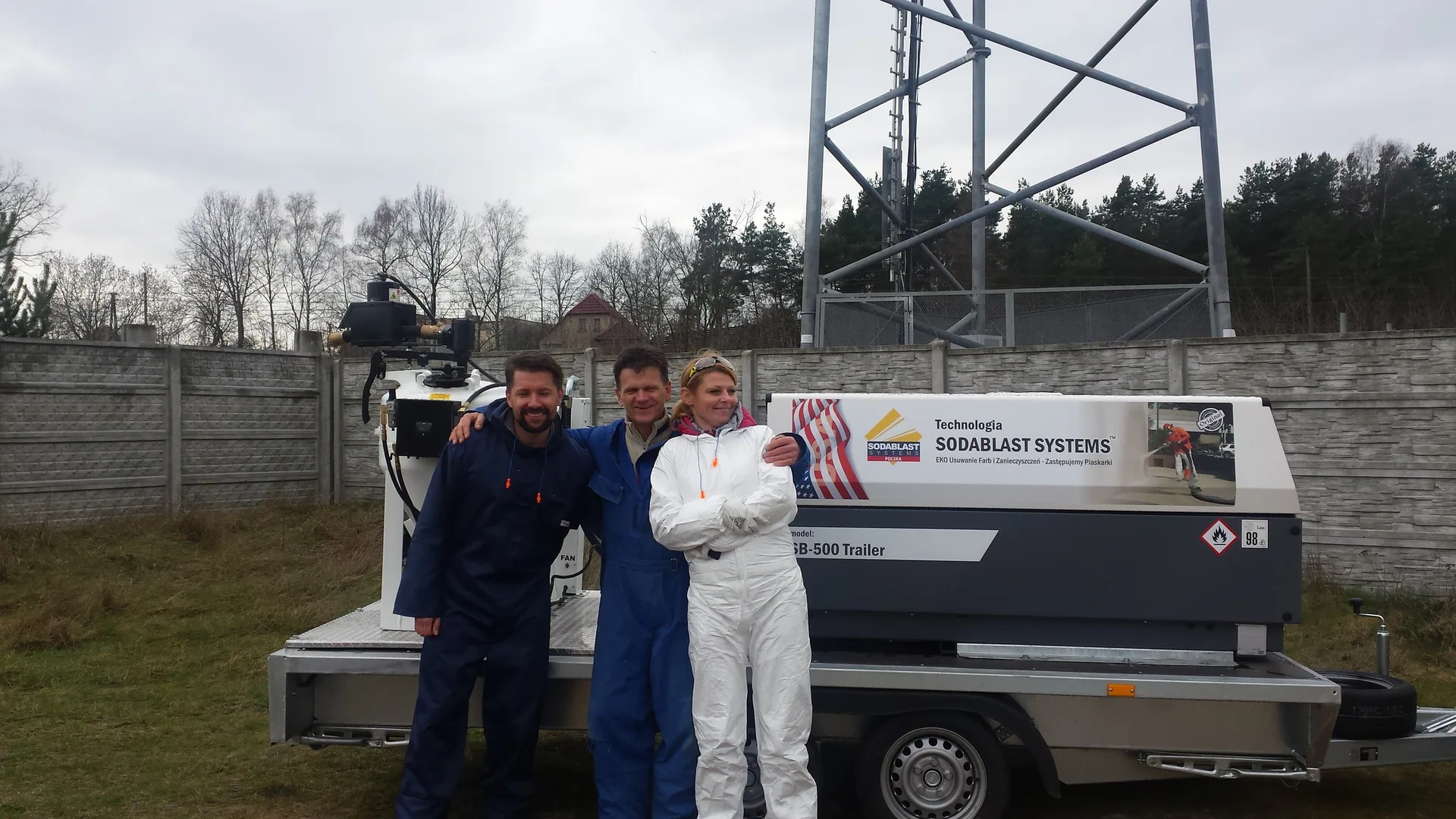
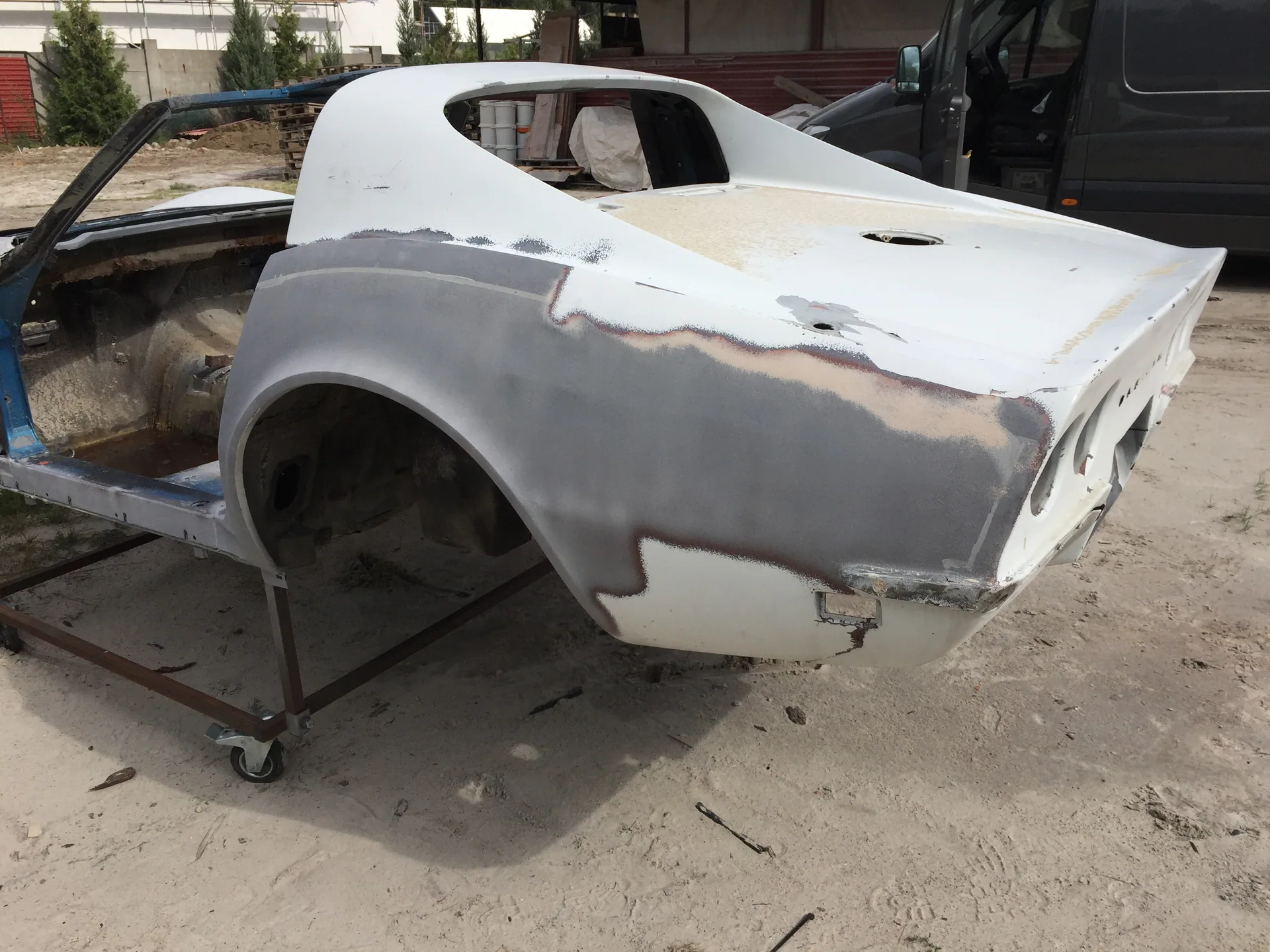
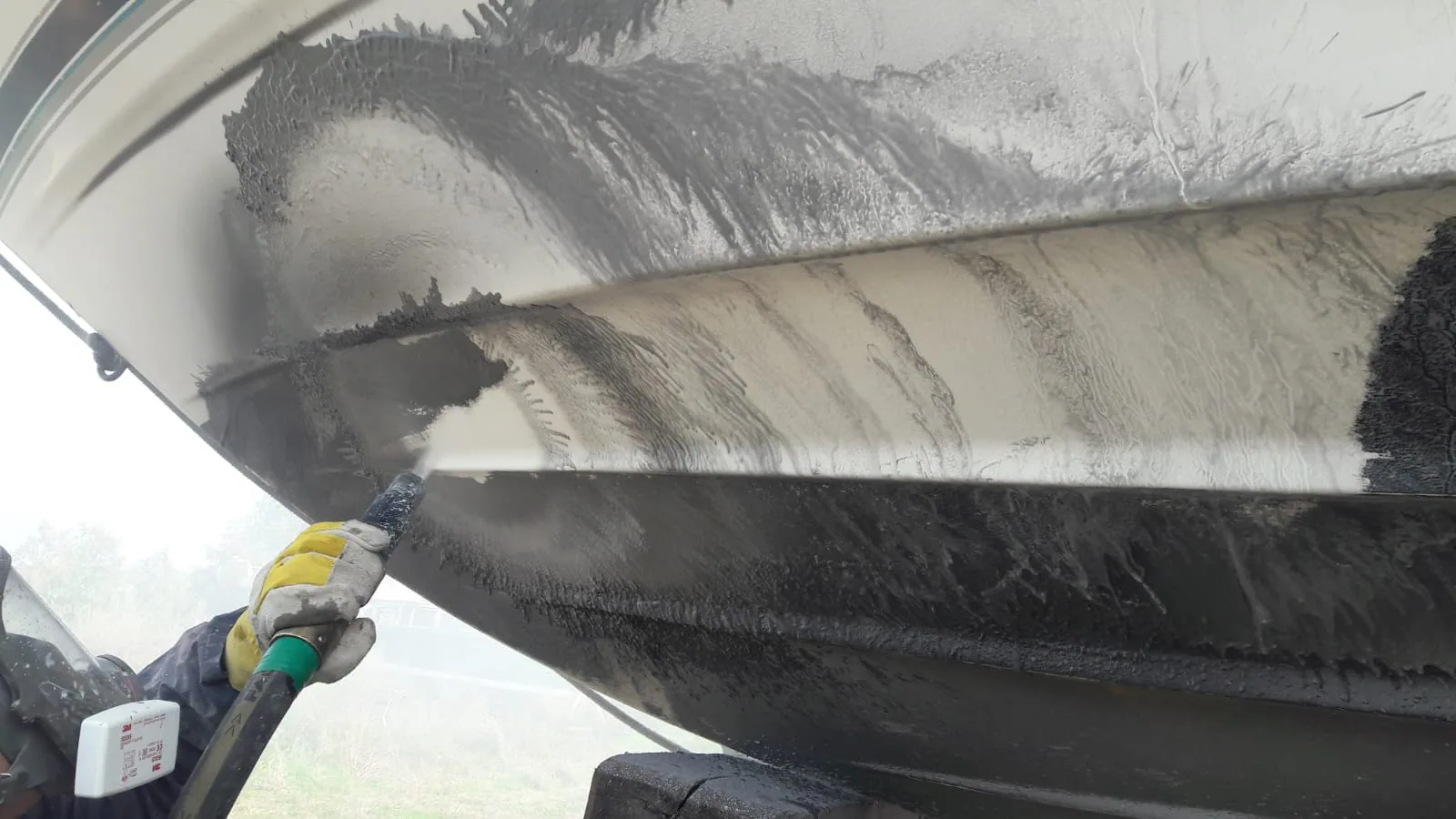
Mobile surface cleaning and preparation is a specialist business idea for someone who enjoys practical, technical work away from a desk. You travel to the customer, agree the result and choose an appropriate method. Soda blasting can be one service within that business. SodaBlast Systems supplies the SB-500 Trailer, configuration advice and operator training; finding customers, quoting and delivering jobs remain your responsibility.
Commercial guide prepared by SBS SYSTEM, the operator of SodaBlast Systems. Updated 7 November 2026.
Does a mobile blasting business fit your situation?
A rural address, small town or city is a starting point, not a business case. Look for identifiable buyers and suitable jobs within a travel area you can serve profitably and safely.
You have a basis for an equipment discussion
You enjoy operating equipment and working on site. You can transport and store the setup, allow for operating cash as well as the purchase, and potential buyers can describe an object, timescale and required finish.
Resolve these gaps first
If the idea is still general, the old coating is unidentified or the machine would absorb your whole budget, start with local enquiries, a trial and a full job estimate. A maximum machine output figure alone is not a business plan.
Turn a local need into a defined service
These are illustrative planning scenarios, not completed customer projects or promises of available work. The substrate, media and settings need assessment and a trial in each case.
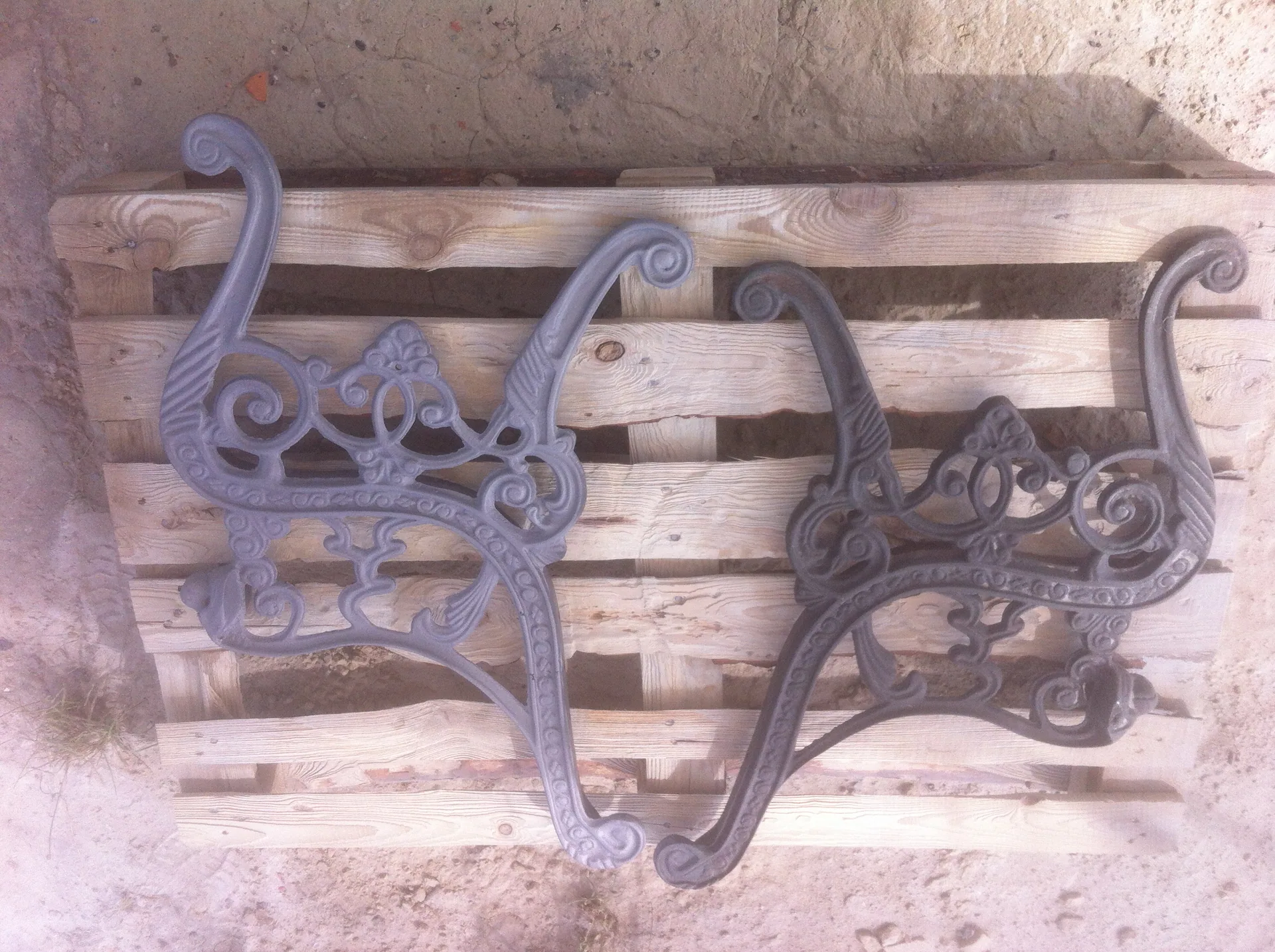
Rural area: components at a refurbishment workshop
- Potential buyer
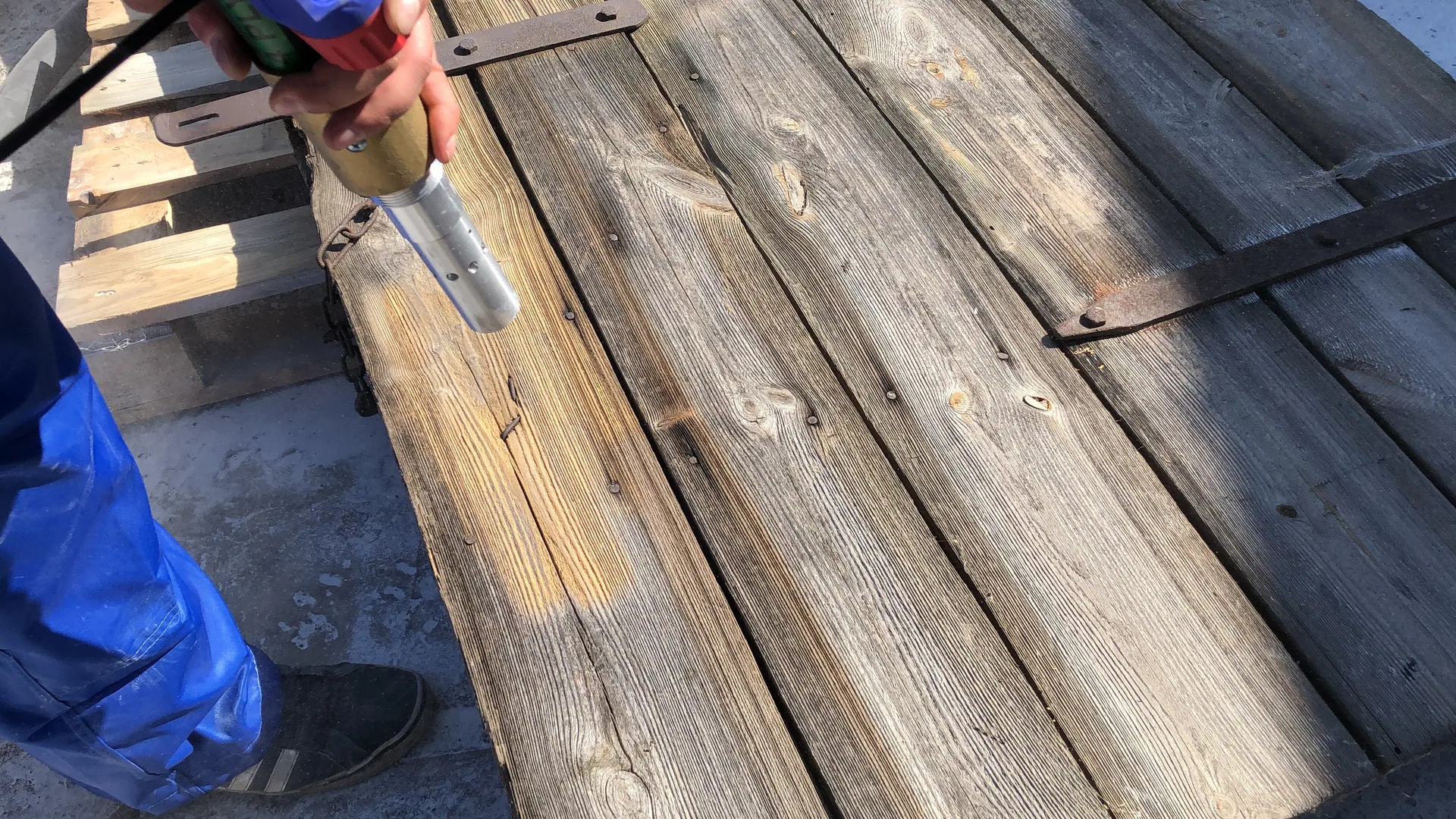
- A machinery repair workshop or a contractor restoring timber.
- Scope to agree
- Identify the material, coating, sensitive parts and whether work can take place on site. With steel, distinguish cleaning from preparation for a new coating: soda is not a replacement for every abrasive preparation process.
- Acceptance criterion
- An approved trial area, an agreed surface condition, protection of neighbouring parts and an explicit cleanup scope.
Small town: a section of a building façade
- Potential buyer
- A renovation contractor, building owner or property manager.
- Scope to agree
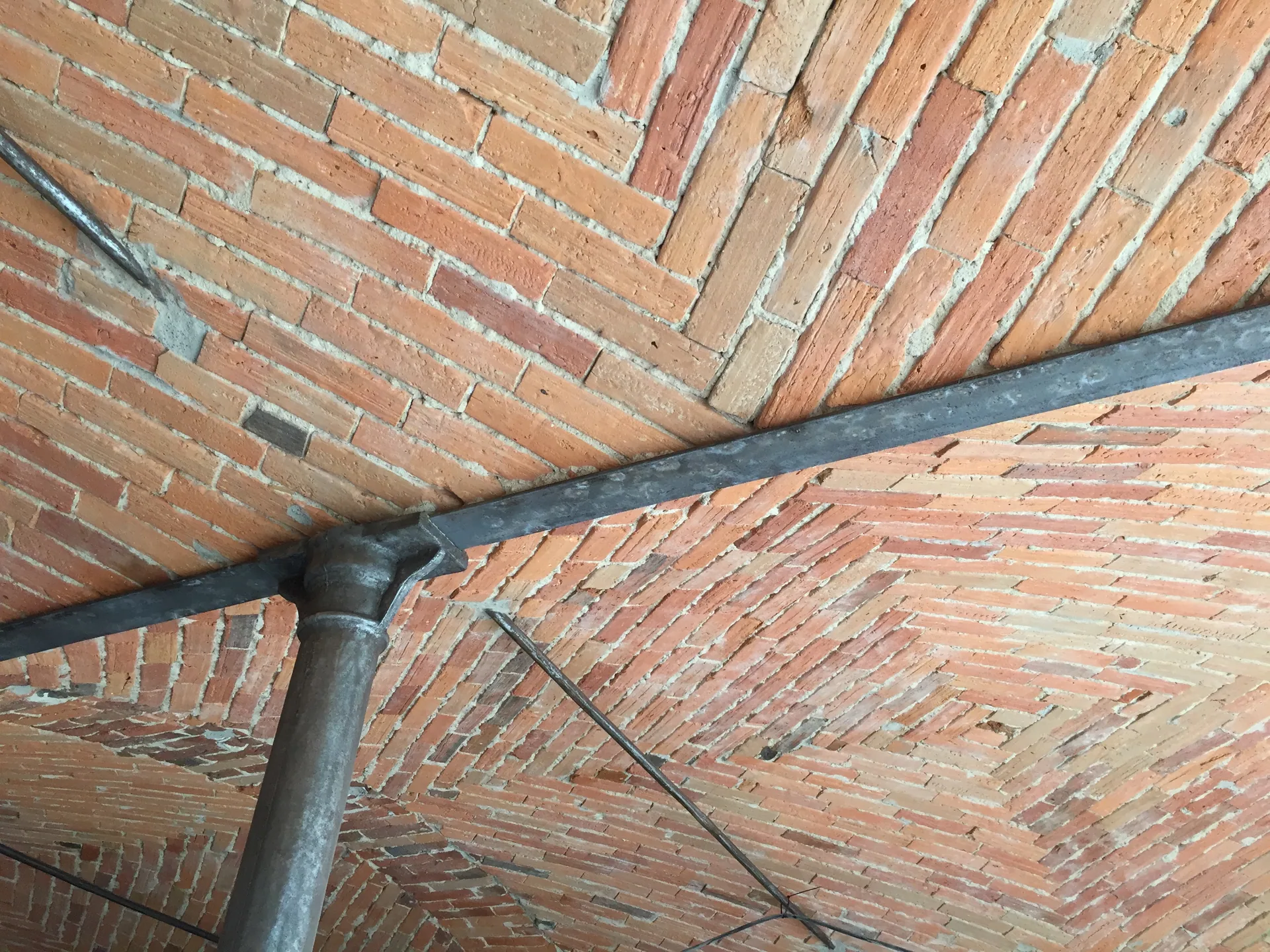
- Obtain photographs and details of the brick, stone or timber. Check access, neighbours, height, containment and any permissions for the building. Do not promise a uniform finish on an untested substrate.
- Acceptance criterion
- An approved sample appearance without unacceptable substrate damage, a defined area and arrangements for containment and residue removal.
City or industry: work during a maintenance window
- Potential buyer
- A maintenance team, surface-protection contractor or site manager.
- Scope to agree
- Ask about the shutdown schedule, contractor approval, contamination and the next process. Include access, site protection, waste handling and the people needed to complete the work.
- Acceptance criterion
- The result specified in the order and how it will be checked. Recurring maintenance is a prospecting direction, not a guaranteed order book.
Price the whole job per accepted square metre
The customer accepts an agreed result. Compare the cost of a square metre accepted after completion, rather than nozzle-on time or the area passed over by the blast stream.
| Cost item | What to record |
|---|---|
| Travel and access | Return distance, travel time, loading, parking, access arrangements and any equipment needed to reach the work. |
| Setup and close-down | Time and materials for containment, exclusion areas, the trial, setup, dismantling and final cleanup. |
| Media, fuel and machine operation | Actual media mass, fuel use and compressor running time. Measure these in a trial with the agreed result and recorded settings. |
| People and protective equipment | All operator and assistant time, including your own labour, travel, preparation and handover. Include protective clothing and equipment. |
| Wear, servicing and waste | Nozzle and hose wear, servicing, collection of residues, transport and appropriate waste handling. The removed coating affects the handling arrangements. |
| Business overhead and contingency | An allocated share of finance or equipment-use cost, insurance, administration and customer acquisition. Allow for downtime and rework; avoid counting the same expense twice. |
Cost per accepted m² = total cost of completing the job ÷ accepted surface area.
Record media kg/m², labour-hours/m² and total job time separately. Add your margin and apply the appropriate tax treatment when setting the selling price. Components and complex shapes may be better quoted per item or defined scope, with a clear acceptance criterion.
Media consumption: experience reported to SodaBlast Systems Poland
Customers reporting their experience to SodaBlast Systems Poland described using about 500 kg rather than 2,000 kg of blasting media during 8 hours of actual work after moving from their previous sandblasting equipment to the SB-500 Trailer, on the same material and surface.
In these reports, that is about 75% less media consumed — one quarter of the previous mass.
These are customer experiences reported by SodaBlast Systems Poland, not a universal specification or a controlled laboratory benchmark. No nozzle, media type, settings or square-metre figures are supplied where they are not documented. This does not establish four times the productivity or one quarter of the total job cost. Check kg/m² at an agreed finish on your own surface before making a purchase decision.
Source: the experience statement published by SodaBlast Systems Poland
Prepare your first jobs without mass unsolicited outreach
Start with one service and a practical travel area. Aim for a conversation about a real maintenance or restoration need, rather than simply collecting email addresses.
01
Find defined requirements
Respond to published enquiries and use referrals. At trade meetings or through existing contacts, ask about planned work, the material, timing, who accepts the result and how a contractor is selected.
02
Agree a trial and scope
Arrange a trial with the owner’s permission. Record conditions, consumption, the time for the whole operation and the expected result. Include travel, containment and cleanup in the quotation.
03
Build evidence from your own work
After completing a job, ask permission to document the material, problem, method and result. Take before-and-after photographs from the same viewpoint. Do not present visualisations or someone else’s work as your own project.
04
Make follow-up useful
After handover, ask for a referral or permission to contact the customer before the next maintenance window. Explain your actual services and travel area on your local business profile and website. No ready-made customer list is included in a machine purchase.
What should you bring to an SB-500 Trailer discussion?
Describe one intended job so we can discuss an equipment configuration for a service, rather than a machine price in isolation.
- Material, contamination or coating, photographs and the desired finish. State whether another coating will be applied afterwards.
- Approximate scope, location, access, site restrictions and timing. Identify who will approve the trial result.
- Transport and storage arrangements. Check the vehicle, driving entitlement and requirements for the actual configuration and country.
- Separate the equipment budget from working capital for media, transport, wear parts and the early months of operation. Budget bands in the form are not machine prices.
- Questions about accessories, a trial, training and support. Training is free in Poland; outside Poland it remains free, with agreed logistics costs charged separately. Service in Poland and the European Union, including travel, is paid. Confirm service arrangements elsewhere in the quotation.
SBS SYSTEM operates the SodaBlast Systems offer. We advise on equipment and teach its operation; a purchase does not guarantee jobs, income or a payback period.